

When temperatures start dropping in Hamilton, one question comes up every year:
Do I really need winter tires?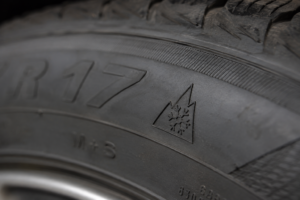
If you’ve driven through a Hamilton winter, you already know that road conditions can change quickly. A dry morning can turn into snow, slush, or ice by the afternoon. Roads around Stoney Creek, Hamilton Beach Road, the QEW, and the Red Hill Valley Parkway can all present very different driving conditions during the winter months.
At Indus Auto and Tires, we regularly see drivers comparing winter, all-season, and all-weather tires when the weather starts getting colder. The right choice depends on how and where you drive, but understanding the differences makes that decision much easier.
So, what’s actually different between these tire types?
Why Are Winter Tires Different?
Winter tires aren’t simply tires with a more aggressive tread pattern.
They’re specifically designed to remain flexible in cold temperatures and provide better traction in snow, slush, and icy conditions.
As temperatures fall, the rubber compound used in many summer and all-season tires becomes harder. This can reduce their ability to grip the road.
Winter tires use specialized rubber compounds and tread designs that are engineered to perform in cold conditions.
That can mean better:
- Snow traction
- Cold-weather grip
- Braking performance
- Cornering control
- Stability on winter roads
For drivers who regularly commute through Hamilton during the winter, these differences can be significant.
Summer vs All-Season vs All-Weather vs Winter Tires
The names can be confusing, so let’s break them down.
Summer Tires
Summer tires are designed primarily for warm-weather driving.
They generally provide excellent handling and braking on dry and wet roads when temperatures are mild to warm.
However, they’re not designed for Canadian winter conditions.
As temperatures fall, their rubber compound becomes less flexible, and their performance in snow and ice can be severely reduced.
Best for: Warm-weather driving.
Not suitable for: Regular winter driving in Hamilton.
All-Season Tires
Despite the name, all-season doesn’t mean every season in Canadian conditions.
All-season tires are designed to provide a balance of performance across several conditions, particularly in moderate temperatures.
They’re suitable for many drivers during spring, summer, and fall.
However, traditional all-season tires aren’t designed specifically for significant snow and freezing conditions.
If you frequently drive during Hamilton winters, especially when roads are covered with snow or ice, dedicated winter tires may provide considerably better cold-weather traction.
Best for: Drivers who experience relatively mild winter conditions or use a separate winter setup when required.
All-Weather Tires
All-weather tires sit somewhere between traditional all-season and dedicated winter tires.
They are designed to provide year-round usability while offering stronger winter performance than conventional all-season tires.
Many all-weather tires carry the Three-Peak Mountain Snowflake (3PMSF) symbol, indicating that they meet a defined severe-snow service performance requirement.
This can make them an attractive option for drivers who don’t want to change between two sets of tires every year.
Best for: Drivers looking for one tire set that can handle a broader range of Canadian weather conditions.
Winter Tires
Dedicated winter tires are specifically engineered for cold-weather driving.
They use winter-specific rubber compounds and tread designs intended to maintain traction when temperatures drop and roads become snowy or icy.
For drivers who regularly travel during winter storms or deal with significant snow and freezing conditions, dedicated winter tires remain the most specialized option.
Best for: Drivers who want maximum winter-focused performance and regularly drive in snow, ice, and cold conditions.
Which Tires Are Right for Hamilton Winters?
There’s no single answer for every driver.
Consider how you actually use your vehicle.
If your vehicle spends most of its time parked and you rarely drive during poor winter conditions, your needs may be different from someone commuting every morning.
A driver travelling between Hamilton and Stoney Creek every day may want stronger winter traction than someone who only drives occasionally.
Similarly, someone regularly using the QEW or Red Hill Valley Parkway during winter storms may prioritize winter handling and braking performance more heavily.
At Indus Auto and Tires, we often help customers compare these options based on their vehicle, driving habits, and budget rather than simply recommending the most expensive tire.
The right tire is the one that makes sense for your vehicle and how you actually drive.
When Should You Switch to Winter Tires?
Don’t wait until the first major snowstorm.
Winter tires are designed to perform in cold temperatures, not just when there’s snow on the road.
A common guideline is to consider switching when temperatures consistently reach around 7°C.
Likewise, they can be removed when temperatures are consistently above that range in spring.
Getting your tires installed before the first major snowfall can also help you avoid the rush that tire shops typically experience after the first winter storm.
Need Winter Tires in Hamilton?
At Indus Auto and Tires, we help drivers in Hamilton, Stoney Creek, Hamilton Beach Road, and surrounding areas choose and install tires suited to their vehicles and driving needs.
We offer tire options from brands including Michelin, Yokohama, Toyo, Nexen, Landspider, Joyroad, Tracmax, Haida, and Grenlander, subject to vehicle fitment and availability.
Whether you’re looking for dedicated winter tires, all-weather tires, or simply want to understand which option makes sense for your vehicle, our team can help you compare your choices.
Final Thoughts
Summer, all-season, all-weather, and winter tires are designed with different priorities in mind.
For Hamilton drivers, the decision shouldn’t simply come down to the name on the tire. Think about the temperatures and road conditions you regularly encounter, how often you drive during winter, and how much winter traction you need.
If you’re unsure which type is right for your vehicle, having your tires inspected and discussing your driving habits with a tire professional is a good place to start.
The right tires can make a noticeable difference when Hamilton’s roads get cold, snowy, and slippery.