

Do You Need a Wheel Alignment After Hitting a Pothole?
It happens faster than you can react.
You’re driving through Hamilton after a long day, the road looks clear, and suddenly—
Thud.
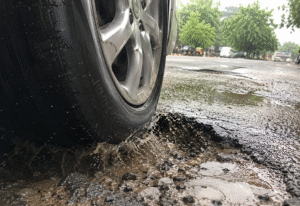
Your vehicle drops into a pothole.
You keep driving because everything seems fine. The steering wheel still works, the tires look okay, and there are no warning lights on the dashboard.
So, no damage… right?
Not necessarily.
A pothole doesn’t have to bend a wheel or blow out a tire to cause problems. Even one hard impact can knock your wheels out of alignment or place extra stress on your suspension and steering components. While the effects may not be noticeable immediately, driving with poor wheel alignment can gradually lead to uneven tire wear, reduced handling, and unnecessary repair costs.
Let’s look at how potholes affect your vehicle and how to tell when it’s time for a professional wheel alignment inspection.
How Can a Pothole Affect Wheel Alignment?
Your vehicle’s suspension system is designed to absorb bumps and keep your tires in proper contact with the road. However, a deep pothole creates a sudden impact that can shift the angles of your wheels ever so slightly.
Even a small change in alignment can affect how your vehicle drives.
After hitting a pothole, your vehicle may experience:
- Wheels that are no longer aligned correctly
- Increased stress on suspension components
- Uneven tire wear
- Reduced steering precision
- Lower fuel efficiency over time
The damage isn’t always obvious immediately, which is why many drivers continue driving for weeks before realizing something feels different.
6 Signs Your Vehicle May Need a Wheel Alignment
Not every pothole causes alignment issues, but if you notice any of these warning signs afterward, it’s worth having your vehicle inspected.
1. Your Car Pulls to One Side
One of the most common symptoms is your vehicle drifting left or right when driving on a straight road.
If you’re constantly correcting the steering wheel to stay in your lane, your wheel alignment may have been affected.
2. Your Steering Wheel Isn’t Centered
While driving straight, your steering wheel should sit level.
If it appears tilted even though your vehicle is moving forward, your alignment may no longer be within the manufacturer’s specifications.
3. Uneven Tire Wear
Take a close look at your tires.
If one edge is wearing noticeably faster than the other, poor wheel alignment could be the cause.
Uneven tire wear shortens tire life and may require premature replacement.
4. Steering Feels Different
Your steering may feel:
- Less responsive
- Looser than usual
- Slightly unstable at highway speeds
Changes like these shouldn’t be ignored.
5. Vibrations While Driving
Although vibrations can have several causes—including tire balancing or suspension issues—they may also appear alongside alignment problems after a significant pothole impact.
A professional inspection can determine the exact cause.
6. You Hear New Suspension Noises
Clunking or knocking sounds after hitting a pothole may indicate damage to suspension or steering components.
Even if your alignment is only slightly affected, these noises should be inspected promptly.
Why You Shouldn’t Ignore Alignment Problems
Driving with poor wheel alignment doesn’t just affect comfort.
Over time it can lead to:
- Faster tire wear
- Reduced fuel efficiency
- Poor handling
- Increased strain on suspension components
- More expensive repairs later
Correcting wheel alignment early is usually much more affordable than replacing prematurely worn tires or damaged suspension parts.
Can a Wheel Alignment Fix Every Problem?
Not always.
If a pothole has bent a wheel, damaged a tire, or worn suspension components, those issues may need to be repaired before a proper alignment can be performed.
That’s why a professional inspection is important after a significant impact.
At Indus Auto & Tires, our technicians inspect your steering and suspension system before performing a wheel alignment to help identify any underlying issues.
How to Reduce Damage from Potholes
While it’s impossible to avoid every pothole, these simple habits can help reduce the risk of damage:
- Maintain the correct tire pressure.
- Leave enough distance to spot road hazards.
- Slow down safely before unavoidable potholes.
- Avoid sudden braking while driving through a pothole.
- Have your alignment checked if you experience any changes in steering afterward.
Preventive maintenance can save you money and help extend the life of your tires and suspension.
Why Drivers in Hamilton Trust Indus Auto & Tires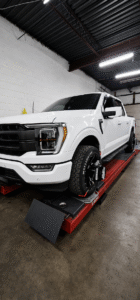
Whether you’ve recently hit a pothole or simply noticed your vehicle isn’t driving quite the way it used to, our team is here to help. Whether you’re visiting for a wheel alignment, brake service, or an oil change, you can count on experienced technicians and honest recommendations.
Using professional alignment equipment, we carefully measure your vehicle’s wheel angles and adjust them according to the manufacturer’s specifications. We also inspect key suspension and steering components to ensure there aren’t any hidden issues contributing to poor handling or uneven tire wear.
Our goal isn’t just to adjust your alignment—it’s to help keep your vehicle safe, comfortable, and performing the way it should. If you have any questions or are ready to book your appointment, contact us and our team will be happy to assist.
Frequently Asked Questions
Can one pothole knock my wheels out of alignment?
Yes. A single hard impact can sometimes affect wheel alignment, especially if the pothole is deep or hit at higher speeds.
Is it safe to keep driving after hitting a pothole?
If your vehicle feels normal, it’s usually safe to drive cautiously. However, if you notice pulling, vibrations, unusual noises, or steering changes, have it inspected as soon as possible.
How long does a wheel alignment take?
A standard wheel alignment typically takes 30–60 minutes, depending on the vehicle and whether additional suspension issues are found.
Will a wheel alignment fix uneven tire wear?
A wheel alignment can prevent further uneven wear, but it won’t restore tread that has already been worn away. Severely worn tires may still need replacement.
How often should wheel alignment be checked?
It’s a good idea to have your wheel alignment checked if you notice handling changes, install new tires, replace suspension components, or after a significant impact such as hitting a pothole or curb.
Final Thoughts
Not every pothole causes serious damage, but it’s impossible to know the condition of your wheel alignment just by looking at your vehicle.
If you’ve noticed your car pulling to one side, your steering wheel feels off-center, or your tires are wearing unevenly after hitting a pothole, a professional inspection can help identify the problem before it leads to more expensive repairs.
At Indus Auto & Tires, we’re committed to helping drivers throughout Hamilton keep their vehicles safe, stable, and performing at their best. If you think your alignment may have been affected, schedule an inspection and let our experienced technicians make sure everything is aligned properly for the road ahead.
Schedule a wheel alignment with Indus Auto & Tires to extend tire life and keep your vehicle driving straight.