
You don’t always know your tires are worn out.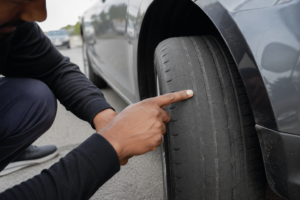
Sometimes the signs are obvious—a tire is visibly damaged, the tread looks almost gone, or you’re constantly adding air. Other times, the change happens so gradually that you simply get used to the way your vehicle feels.
Then one day, you notice your car doesn’t handle quite the same way.
Maybe it takes longer to stop in the rain. Maybe the steering feels less responsive. Or perhaps you notice that one tire looks considerably more worn than the others.
If you’re driving around Hamilton, Stoney Creek, or the surrounding area, your tires deal with a lot throughout the year. Changing temperatures, wet roads, winter conditions, potholes, and everyday stop-and-go driving can all contribute to tire wear.
At Indus Auto and Tires, we regularly see vehicles come in with tires that still appear to have some tread remaining but are already showing signs of uneven wear, cracking, aging, or other damage. In many cases, drivers aren’t aware that their tires are approaching the end of their useful life.
So how do you know when it’s time for new tires?
Here are seven signs to watch for.
1. Your Tire Tread Is Getting Low
Tread is the part of your tire that makes direct contact with the road. It plays an important role in maintaining traction, especially when you’re driving on wet roads.
As tires wear, the grooves become shallower and their ability to move water away from the contact patch can decrease.
Take a look at your tires regularly. If the tread appears noticeably worn or you’re unsure whether there’s enough tread remaining, have them inspected by a professional.
You can also check the built-in tread wear indicators found in the grooves of many tires. When the tread has worn down to these indicators, it’s a strong indication that the tire has reached the end of its usable tread.
Wet roads can become particularly challenging when tires have limited tread. If you’re commuting along the QEW, Red Hill Valley Parkway, or local Hamilton roads during heavy rain, maintaining adequate tire tread is especially important for traction and water evacuation.
2. Your Tires Are Wearing Unevenly
Your tires shouldn’t look dramatically different from one side to another.
If you notice that the inside or outside edge of a tire is wearing faster than the centre, or one tire is significantly more worn than the others, something may need attention.
Uneven tire wear can be associated with issues such as:
- Incorrect tire pressure
- Wheel alignment problems
- Worn suspension components
- Improper rotation
- Driving habits
At Indus Auto and Tires, we often see customers come in because they need new tires, only to discover that the underlying problem is uneven wear caused by alignment or another vehicle issue.
Replacing the tires without addressing the cause may simply result in the new tires wearing unevenly again.
If you notice unusual wear, consider having your wheel alignment checked before installing your next set of tires.
3. You Notice Cracks, Bulges, or Other Visible Damage
Take a few minutes to inspect the sidewalls of your tires.
Look for:
- Cracks
- Bulges
- Cuts
- Punctures
- Objects embedded in the tire
- Damage around the sidewall
A bulge in the sidewall, for example, can indicate damage to the internal structure of the tire.
Don’t ignore visible damage simply because the tire is still holding air.
If you notice a significant crack, bulge, or other structural damage, have the tire inspected by a qualified professional before continuing to drive on it.
4. Your Tires Are Getting Older
Tire condition isn’t determined by tread depth alone.
A tire can have reasonable-looking tread and still require replacement because of age, storage conditions, exposure to the elements, or deterioration of the rubber.
This is particularly important for vehicles that aren’t driven frequently.
If you’re unsure how old your tires are, look at the DOT identification number on the sidewall. The final four digits indicate the week and year the tire was manufactured.
For example:
2324
means the tire was manufactured during the 23rd week of 2024.
Age recommendations can vary by manufacturer, so it’s best to follow the tire manufacturer’s guidance and have older tires professionally inspected.
5. Your Vehicle Doesn’t Handle the Way It Used To
Sometimes your tires tell you they’re worn without showing an obvious visual problem.
You might notice:
- Less grip during wet weather
- Longer stopping distances
- Steering that feels less precise
- Increased road noise
- The vehicle feeling less stable around corners
These symptoms don’t automatically mean you need new tires. They can also be caused by alignment, suspension, tire pressure, balancing, or other issues.
That’s why an inspection is important.
At Indus Auto and Tires, we look at the overall condition of the tire rather than simply telling a customer, “You need new tires.”
The goal is to determine why the vehicle isn’t driving the way it should.
6. You’re Constantly Losing Tire Pressure
Having to add air occasionally isn’t unusual.
But if one tire repeatedly loses pressure while the others remain properly inflated, there may be an underlying problem.
Possible causes include:
- A puncture
- Valve stem damage
- Wheel damage
- Bead leaks
- Tire deterioration
A tire that repeatedly loses pressure shouldn’t simply be refilled every few days without finding the cause.
Driving with incorrect tire pressure can affect handling, fuel economy, and tire wear.
If you’re constantly stopping at a gas station to refill the same tire, it’s time to have it inspected.
7. Your Tires Have Been Repaired Multiple Times
A puncture doesn’t necessarily mean you need a new tire.
In some situations, a tire can be safely repaired by a qualified technician.
However, not every puncture is repairable.
The location and size of the damage, the tire’s overall condition, previous repairs, and whether the tire was driven while severely underinflated can all affect whether it can safely remain in service.
If a tire has accumulated multiple repairs or has suffered significant damage, replacement may be the safer option.
That’s why it’s better to have the tire properly inspected rather than assuming every puncture can simply be repaired.
New Tires Aren’t Just About Tread
When people think about replacing tires, they often look at one thing:
“How much tread is left?”
But tire condition is more complicated than that.
When determining whether you need new tires, you should consider:
Tread condition
Is there enough usable tread remaining?
Tire age
How old are the tires?
Visible damage
Are there cracks, bulges, cuts, or other signs of deterioration?
Wear pattern
Are the tires wearing evenly?
Driving conditions
Do you regularly drive in heavy rain, snow, highway traffic, or stop-and-go conditions?
Vehicle requirements
Are the tires the correct size and specification for your vehicle?
Looking at all of these factors gives you a much better picture of whether your current tires should be replaced.
What Kind of Tires Should You Buy?
Once you’ve determined that it’s time for new tires, the next question is usually:
“Which tires should I buy?”
There isn’t one tire that’s perfect for every driver.
The right choice depends on your vehicle, tire size, driving habits, budget, and the conditions you regularly encounter.
Depending on your vehicle and requirements, options may include different types of all-season, all-weather, winter, touring, or performance tires.
At Indus Auto and Tires, we offer a range of tire brands and options, including: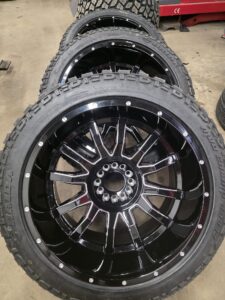
- Michelin
- Yokohama
- Toyo
- Nexen
- Landspider
- Joyroad
- Tracmax
- Haida
- Grenlander
Different brands and tire models are designed for different priorities, so we recommend choosing based on your vehicle and actual driving needs rather than simply choosing the cheapest tire available.
Buying New Tires in Hamilton? Consider How You Actually Drive
A tire that works well for one driver may not be the right choice for another.
For example, someone who mostly drives short distances around Stoney Creek and East Hamilton may have different requirements from someone who regularly commutes on the QEW or takes longer highway trips.
Before buying new tires, think about:
How many kilometres do you drive?
High-mileage drivers may prioritize durability and long tread life.
Where do you drive?
City streets, highways, and rural roads can place different demands on your tires.
What weather do you drive in?
Rain, snow, ice, and changing temperatures all affect tire performance.
What’s your budget?
There are tire options at different price points, and the cheapest tire isn’t necessarily the best value over its entire service life.
What does your vehicle manufacturer recommend?
Your vehicle’s recommended tire size and specifications should always be considered before purchasing a new set.
A Real Example We See at Indus Auto and Tires
One of the most common situations we encounter is a driver who comes in because one tire looks worn and assumes they simply need to replace that tire.
After looking at the vehicle, however, the bigger picture can sometimes be different.
For example, uneven wear across the front tires may point toward an alignment issue. Simply installing another tire without correcting the underlying problem could mean the replacement tire eventually develops the same wear pattern.
That’s why our approach is to inspect the tires and the vehicle before recommending replacement.
New tires are an investment. We want to make sure you understand why you need them and what options make sense for your vehicle.
How to Get More Life From Your New Tires
Once you invest in a new set of tires, proper maintenance can help you get the most from them.
A few simple habits can make a difference:
- Check tire pressure regularly.
- Follow the vehicle manufacturer’s recommended pressure.
- Have your tires rotated according to the manufacturer’s recommendations.
- Check for uneven wear.
- Have alignment checked when necessary.
- Don’t ignore vibrations, pulling, or unusual tire noise.
- Inspect tires periodically for visible damage.
You can also have your tires inspected whenever you bring your vehicle in for other maintenance.
Looking for New Tires in Hamilton?
If your tires are showing signs of wear, damage, aging, or uneven tread, don’t wait until you’re dealing with a flat or a serious handling problem.
At Indus Auto and Tires, we help drivers throughout Hamilton, Stoney Creek, Hamilton Beach Road, and surrounding areas find tire options suited to their vehicles and driving needs.
Our team can inspect your existing tires, identify signs of wear or damage, and help you compare suitable replacement options from brands including Michelin, Yokohama, Toyo, Nexen, Landspider, Joyroad, Tracmax, Haida, and Grenlander
Whether you’re looking for premium tires, a more budget-conscious option, or simply aren’t sure what your vehicle needs, we’re here to help you make an informed decision.
Need new tires? Contact Indus Auto and Tires or book an appointment to have your tires inspected.
Frequently Asked Questions
How do I know if I need new tires?
Low tread, uneven wear, visible cracks or bulges, repeated air loss, significant damage, and poor handling can all be signs that your tires need professional inspection or replacement.
How long do tires last?
There isn’t one mileage number that applies to every tire. Tire life depends on the tire model, driving habits, road conditions, maintenance, climate, alignment, and other factors. Follow the manufacturer’s recommendations and have your tires inspected regularly.
Can I replace only one tire?
Sometimes, but it depends on the vehicle, drivetrain, remaining tread on the other tires, and the manufacturer’s recommendations. It’s best to have the entire set evaluated before replacing an individual tire.
Should I replace all four tires at once?
Replacing all four tires can provide more consistent handling and traction, but it isn’t always necessary. The correct approach depends on the condition and tread depth of the existing tires and your vehicle’s drivetrain.
What tire brands does Indus Auto and Tires carry?
Depending on availability and your vehicle’s requirements, Indus Auto and Tires offers tire options from brands including Michelin, Yokohama, Toyo, Nexen, Landspider, Joyroad, Tracmax, Haida, and Grenlander.
Where can I buy new tires in Hamilton?
Indus Auto and Tires provides tire sales and automotive services for drivers in Hamilton and surrounding areas, including Stoney Creek and Hamilton Beach Road.
Don’t Wait Until Your Tires Become a Problem
Your tires are the only part of your vehicle that actually touches the road.
If they’re worn, damaged, aging, or improperly maintained, the effect can go far beyond appearance. Tire condition can influence traction, handling, braking, comfort, and overall driving confidence.
If you’re unsure whether your current tires have reached the end of their useful life, an inspection can give you a much clearer answer.
Visit Indus Auto and Tires for new tire options in Hamilton and let our team help you find the right fit for your vehicle and your driving needs.